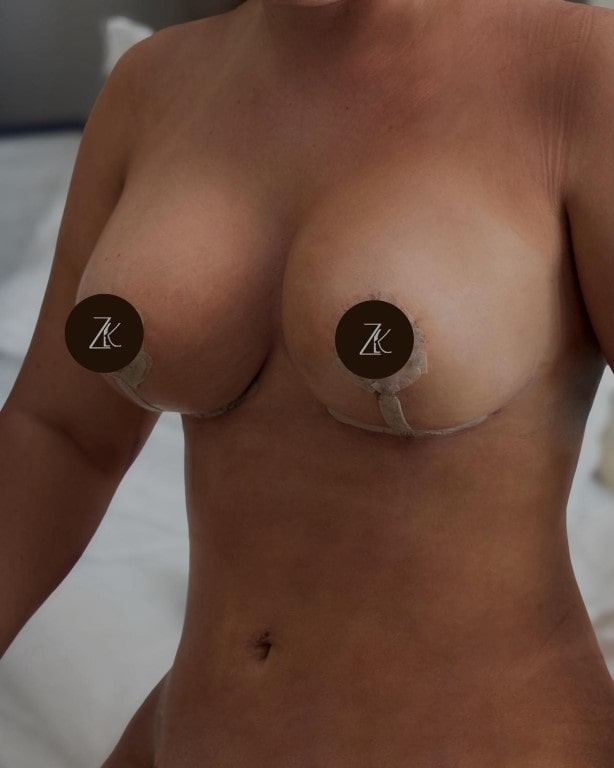
Vaser Liposuction
Definition
Vaser liposuction is an advanced, minimally invasive liposuction technique that utilizes ultrasound-assisted lipolysis (UAL) to selectively target and emulsify fat cells. Unlike traditional liposuction, which mechanically disrupts fat tissue, Vaser technology liquefies adipose tissue while preserving surrounding nerves, blood vessels, and connective structures, resulting in less trauma, smoother recovery, and more precise contouring.
This procedure is particularly effective for body sculpting, allowing surgeons to define natural anatomical lines such as the abdomen, waist, flanks, thighs, arms, chest, and submental region (chin/neck). It is also frequently used in high-definition liposuction to accentuate muscular definition.
Indications
Vaser liposuction is indicated in patients who:
- Have localized fat deposits resistant to diet and exercise.
- Desire improved body contour and muscle definition.
- Require precision fat removal with minimal trauma.
- Seek a sculpted, athletic appearance.
The ideal candidate is in good general health, a non-smoker, close to or at their healthy weight, and has adequate skin elasticity to allow re-draping after fat removal. It is not a weight-loss procedure, but a refinement and contouring technique.
Preoperative Considerations
- Medical assessment Review of overall health, prior surgeries, current medications, and risk factors.
- Treatment Plan: Areas of contouring are defined based on patient goals and anatomical evaluation.
- Lifestyle adjustments: Smoking cessation at least 2 weeks before; discontinuation of anticoagulants under medical supervision
- Expectation management: Realistic goals must be discussed, emphasizing that Vaser liposuction is for contouring, not weight loss.
Surgical Technique
The procedure is performed under local anesthesia with sedation or general anesthesia, depending on the number of areas treated. Duration ranges from 1 to 3 hours.
Steps of the procedure:
- Tumescent infiltration: A specialized solution (containing saline, epinephrine, and local anesthetic) is injected to expand the tissue, minimize bleeding, and prepare fat cells.
- Ultrasound application: A Vaser probe delivers ultrasonic energy, breaking apart and liquefying fat cells while sparing vital structures.
- Fat aspiration: The emulsified fat is aspirated via fine cannulas, enabling smooth removal and detailed contouring
- Closure: Small access incisions (2–3 mm) are closed with sutures or left to heal naturally
- Compression garment: Applied immediately to support skin retraction and reduce swelling.
Postoperative Course (Recovery)
- Swelling & bruising: Common but typically resolve within 2–4 weeks.
- Pain & discomfort: Mild-to-moderate, managed with analgesics.
- Corset/garment use: Required for 4–6 weeks to optimize contouring and support healing
- Return to activity: Light walking is encouraged early; strenuous exercise should be avoided for 4–6 weeks.
- Follow-up: Regular medical check-ups ensure proper healing and early detection of complications.
Risks and Complications
While safe and predictable in experienced hands, potential risks include:
- Infection
- Bleeding or hematoma
- Prolonged edema or bruising
- Asymmetry or contour irregularities
- Seroma or subcutaneous fluid collections
- Skin waviness or dimpling
- Fat embolism (rare, but serious)
Outcomes
Vaser liposuction provides:
- More precise fat removal compared to conventional techniques
- Enhanced body definition, including high-definition sculpting of muscle groups
- Smoother skin retraction due to ultrasound-assisted technology
- Long-lasting results when combined with a stable weight and healthy lifestyle
Final results typically become visible within 3–6 months, once swelling resolves and tissues fully adapt to the new contours.